

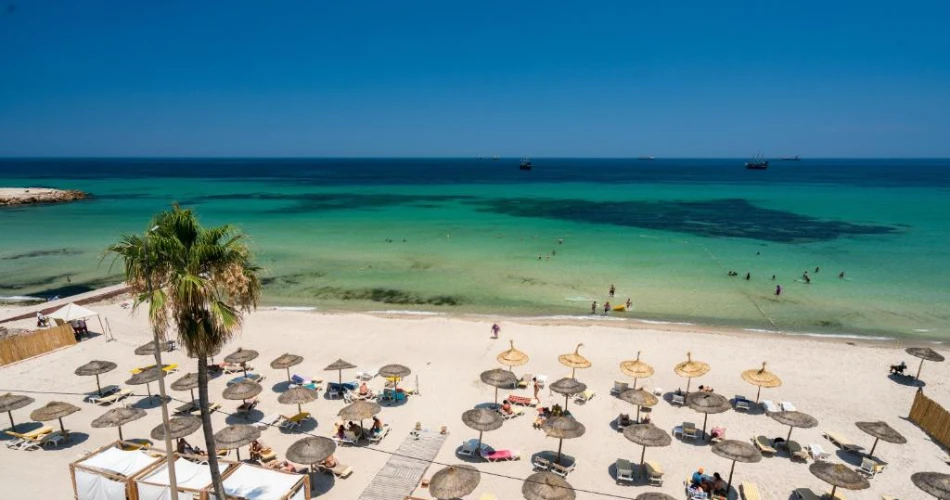
Sousse, a city of sun, sand, and rich history, offers more than just beautiful beaches. Nestled along the Tunisian coast, Sousse is a cultural treasure trove. From ancient fortresses and grand mosques to museums full of antiquities, the famous attractions in Sousse, Tunisia are a compelling reason to explore inland as well. This guide takes you through top sights, why they matter, and how to get the most from each visit.
1. Medina of Sousse
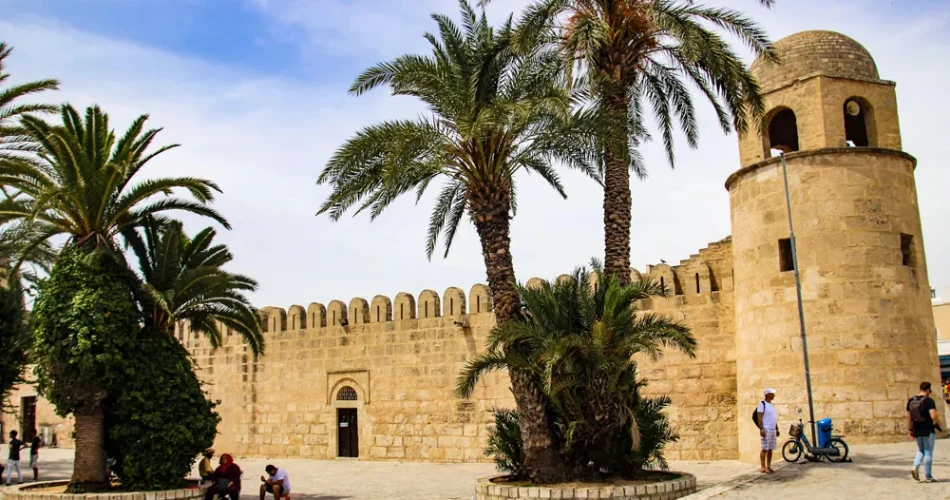
The Medina of Sousse is the heart of the city — a UNESCO World Heritage Site that captures the essence of old Tunisia. Enclosed by massive ancient walls, the medina is a maze of narrow streets lined with colorful shops, bustling souks, and traditional homes.
You’ll find artisans selling handmade pottery, carpets, and jewelry, alongside cozy cafés where locals gather for mint tea. It’s not just a market — it’s a living piece of history.
Why Visit:
-
To experience authentic Tunisian culture.
-
To see well-preserved city walls dating back to the 9th century.
-
To shop for traditional crafts and souvenirs.
Tip: Go early in the morning before crowds arrive and the heat sets in.
2. Ribat of Sousse
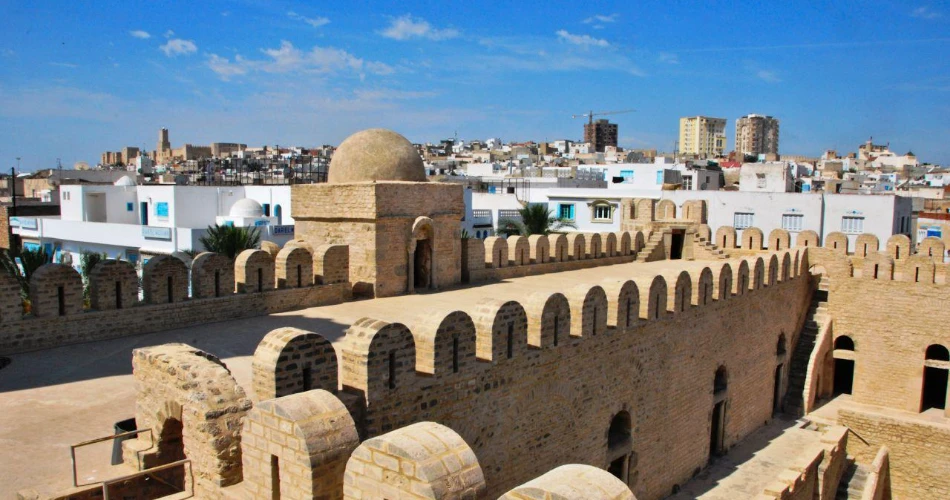
Standing proudly near the sea, the Ribat of Sousse is one of Tunisia’s most famous historical fortresses. Built in the 8th century, this ancient structure once served as both a defense tower and a place of worship for Islamic warriors.
Its tall watchtower offers panoramic views of the old city and the Mediterranean, making it a must-visit for history lovers and photographers.
Why Visit:
-
One of the oldest and best-preserved ribats in North Africa.
-
Offers stunning views of Sousse from the tower.
-
A fascinating glimpse into Islamic military architecture.
Tip: Visit during sunset for the best lighting and fewer crowds.
3. The Great Mosque of Sousse
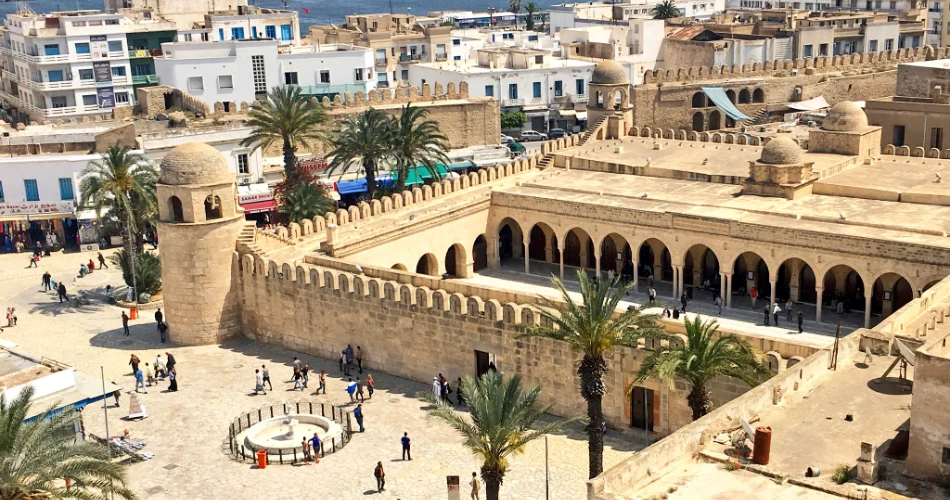
Just steps away from the Ribat lies the Great Mosque of Sousse, built in the 9th century under the Aghlabid dynasty. Its unique fortress-like design reflects both spiritual and defensive purposes — a reminder of how closely faith and protection were intertwined in ancient times.
The courtyard, arches, and thick walls showcase elegant early Islamic architecture, simple yet grand in its own way.
Why Visit:
-
An important religious and historical monument.
-
Beautiful architecture reflecting early Islamic design.
-
Peaceful and serene surroundings near the heart of the Medina.
Tip: Respect local customs — modest clothing is recommended, and non-Muslim visitors may only be allowed in specific areas.
4. Archaeological Museum of Sousse
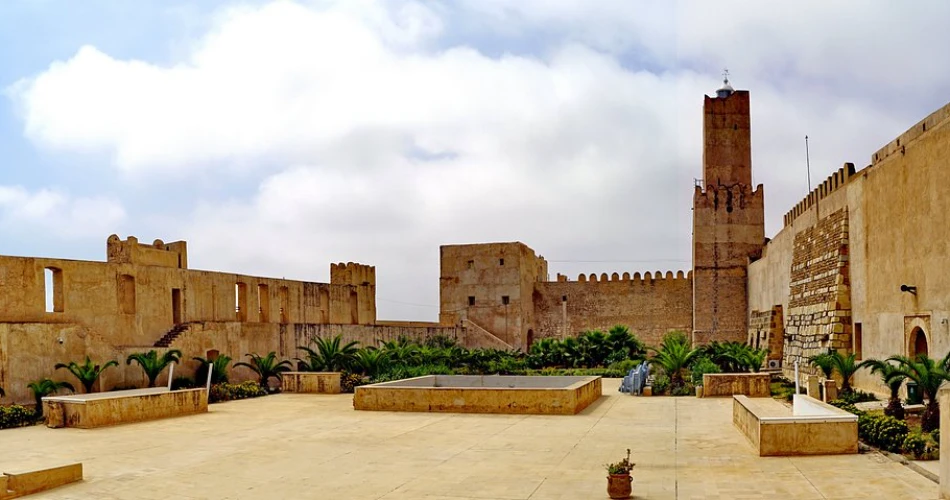
Located within the old Kasbah fortress, the Archaeological Museum of Sousse is a treasure chest of history. It houses one of the most impressive collections of Roman mosaics in Tunisia, alongside artifacts from Punic, Roman, and early Christian times.
Each gallery tells a story of ancient civilizations that once thrived along the coast, from beautiful mosaic floors to ancient urns and sculptures.
Why Visit:
-
Home to one of the largest mosaic collections in North Africa.
-
Offers insight into Tunisia’s Roman and Byzantine history.
-
The museum’s location inside the Kasbah adds to the atmosphere.
Tip: Spend at least 1–2 hours here — and don’t forget to explore the fortress surroundings afterward.
5. Dar Essid Museum
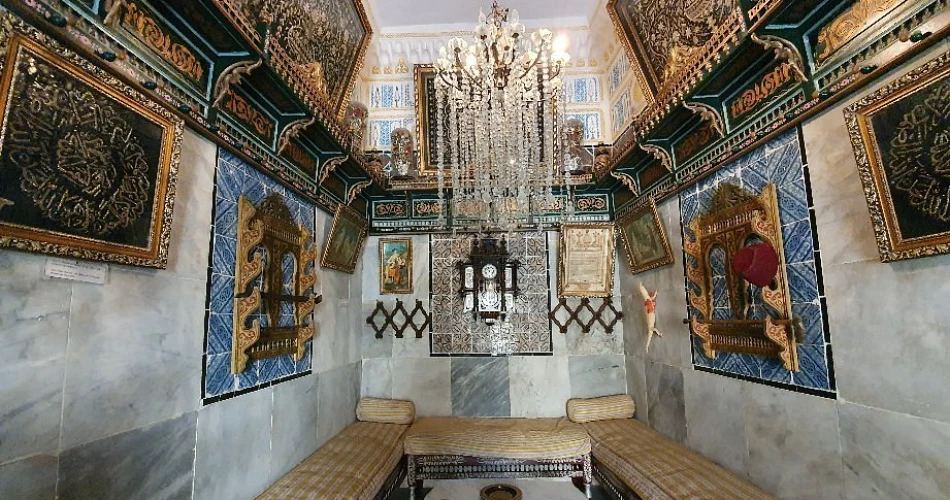
Tucked within the winding streets of the Medina, the Dar Essid Museum is a beautifully preserved 19th-century house that once belonged to a wealthy Tunisian family. It offers a glimpse into domestic life of the past, showcasing furniture, decorations, and even personal belongings.
The rooftop terrace offers panoramic views of the city and sea — one of the most picturesque spots in Sousse.
Why Visit:
-
Experience the charm of an authentic traditional Tunisian home.
-
See original decor, textiles, and historical household items.
-
Enjoy the scenic rooftop view over Sousse.
Tip: It’s small but fascinating — perfect for a short, quiet cultural stop during your Medina tour.
6. The Catacombs of the Good Shepherd
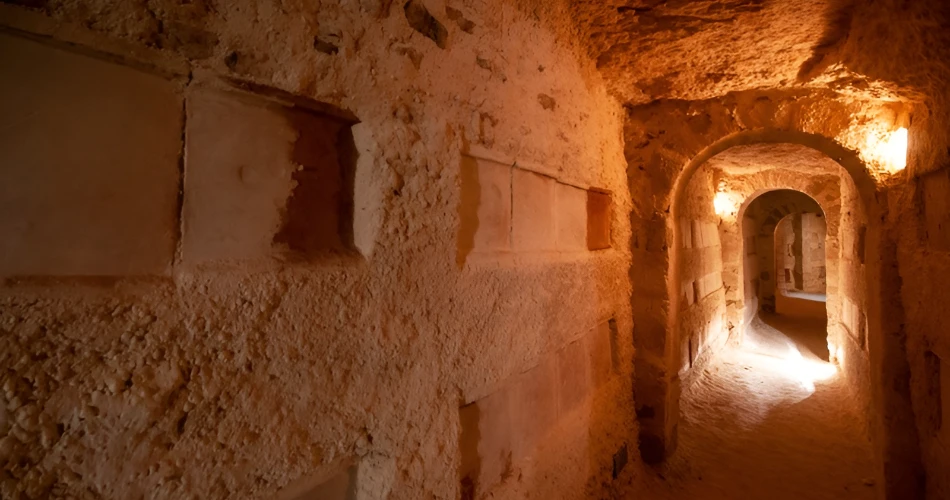
For something mysterious and off the beaten path, visit the Catacombs of the Good Shepherd. These underground burial tunnels date back to the early Christian period and stretch for several kilometers beneath the city.
Though only a small portion is open to the public today, it gives visitors a hauntingly beautiful look at Tunisia’s Christian past.
Why Visit:
-
Rare glimpse into early Christian history.
-
A peaceful, quiet escape from the busy city.
-
Ideal for history enthusiasts who love hidden sites.
Tip: Bring a flashlight or use your phone light — some tunnels are dimly lit.
7. Port El Kantaoui
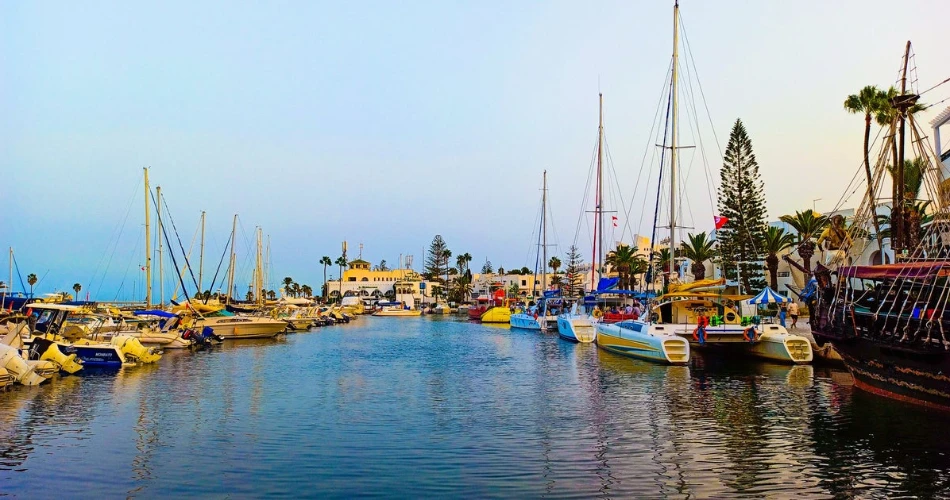
While newer than the city’s historic landmarks, Port El Kantaoui is one of Sousse’s most famous modern attractions. Built in the late 1970s, it’s a beautiful marina surrounded by whitewashed buildings, cafes, restaurants, and luxury resorts.
It’s the perfect place for a relaxing stroll, boat ride, or seaside dinner after a day of exploring Sousse’s history.
Why Visit:
-
Ideal for dining, shopping, and water sports.
-
Stunning views of yachts and the Mediterranean coast.
-
Lively yet relaxing atmosphere with a touch of elegance.
Tip: Visit around sunset — the golden light over the marina is picture-perfect.
8. The Kasbah of Sousse
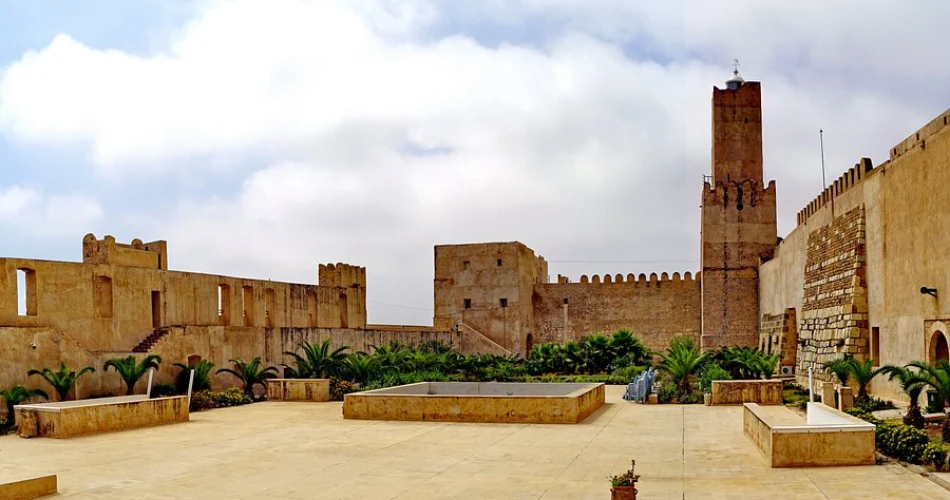
Towering over the Medina, the Kasbah of Sousse served as a fortress and lookout point during medieval times. Today, it’s home to the Archaeological Museum but also worth visiting for its massive walls, towers, and panoramic views.
Standing here, you can almost feel the history — the battles, the faith, and the centuries that shaped the city.
Why Visit:
-
Breathtaking city and sea views.
-
Excellent photo opportunities.
-
A mix of architecture, history, and atmosphere.
Tip: Go early morning or late afternoon to enjoy cooler temperatures and dramatic light.
When to Visit Sousse’s Attractions
-
Best Season: Spring (April–June) and early autumn (September–October) bring pleasant weather, fewer crowds, and great light for photography.
-
Best Time of Day: Early morning for historical sites; late afternoon for the coast and sunset views.
-
What to Wear: Lightweight, modest clothing; comfortable walking shoes; sun protection is essential.
Practical Tips for Sightseeing
-
Plan Your Route: Most attractions are within or near the Medina — walking is the best way to explore.
-
Hire a Local Guide: A guide can help you uncover hidden details and stories behind each monument.
-
Stay Hydrated: Carry water, especially if visiting during summer.
-
Respect Local Customs: Tunisia is welcoming, but modest behavior and attire are appreciated.
-
Carry Cash: Some smaller museums and medina shops may not accept cards.
Sousse isn’t just a beach town — it’s a living museum. Every wall, gate, and cobblestone tells a story of civilizations that once flourished along Tunisia’s coastline. From the Ribat’s towering strength to the Medina’s lively alleys and the Museum’s timeless mosaics, each attraction reflects the beauty and depth of Tunisian culture.